Türkçe (TR)

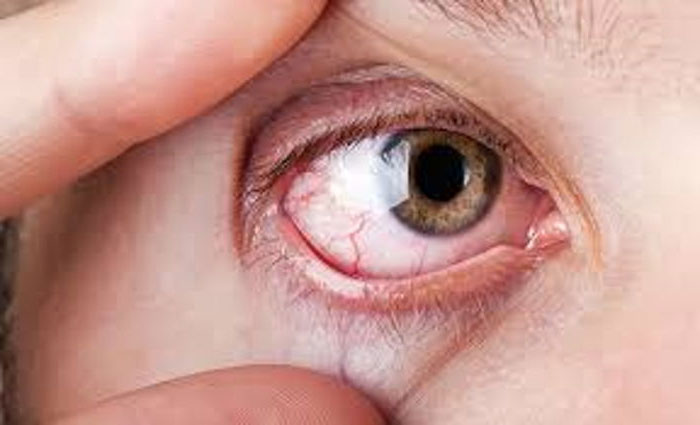
What is Glaucoma? What are the Symptoms of Glaucoma?

What is Glaucoma?
Glaucoma is high intraocular pressure. This high pressure can adversely affect the optic nerve. The function of the optic nerve is to send the images seen by the eye to the brain's visual center, enabling the individual to see. When the optic nerve is damaged, there is a risk of vision loss, even blindness.
Causes of Glaucoma
Intraocular fluid that nourishes the eye is produced inside the eye. This fluid leaves the eye through a channel called the drainage angle inside the eye. In glaucoma, blockages in this drainage channel cause the intraocular fluid to accumulate inside the eye and increase intraocular pressure.
Who Should Pay Attention to Glaucoma Risks?
Heredity is important; if your close relatives have glaucoma, your risk of glaucoma is also increased. The risk of glaucoma usually begins after the age of forty. Other risk factors: high intraocular pressure, eye injuries and eye surgeries, thin cornea, diabetes / hypertension and heart disease, optic nerve problems, and cortisone drug use.
Types of Glaucoma: Open Angle
Glaucoma can be of four types. The most common type is open-angle glaucoma. Ninety percent of all glaucoma patients have the open-angle type. There is no defect at the entrance of the drainage channel for intraocular fluid, but the problem is in the depths of the drainage channels. This type of glaucoma begins slowly and insidiously. Because it does not initially show any symptoms, the patient cannot notice it.
Types of Glaucoma: Angle Closure
This type of glaucoma occurs when the angle in the drainage channel closes and becomes blocked. In this case, intraocular fluid accumulates in the eye and intraocular pressure rises rapidly. The patient experiences severe pain in the eye, nausea, vomiting, and decreased vision. These patients usually apply to the emergency departments of hospitals with severe eye and headache.
Types of Glaucoma: Normal Tension Glaucoma
In some people, optic nerve damage occurs even though intraocular pressure is normal. The reason for this is not fully known. This may be because the optic nerve is very sensitive or there is a problem with it not being well nourished by blood vessels. In this case, doctors adjust intraocular pressure according to sensitive eyes.
Types of Glaucoma: Congenital
Rarely seen in newborn babies. This is caused by the drainage system not fully developing in the womb. The eyes of babies in this condition are larger than normal. Early diagnosis and early surgical treatment return the eyes of these babies to normal.
What are the Symptoms?
Since open-angle and normal-tension glaucoma types progress insidiously, the disease may have progressed when the first symptoms appear. If left untreated, vision (especially on the sides) may decrease. In advanced cases, there may be only a central image, similar to looking through a tunnel.
Glaucoma Tests
The way to catch glaucoma early is through regular eye examinations. During a routine eye exam, doctors perform various tests:
Intraocular pressure measurement
Peripheral (side) vision test
Corneal thickness (pachymetry)
Optic nerve examination
Drainage system examination
Glaucoma Treatment: Medication
Eye drops or oral medications are helpful in the treatment of glaucoma. Eye drops are generally preferred. These drugs reduce intraocular fluid production and increase drainage from the channels. These drugs need to be used every day. If the drugs cause side effects such as redness, stinging, or pain in the eyes, it is appropriate to report this to the doctor.
Glaucoma Treatment: Laser
In some cases, an operation called laser trabeculoplasty may be necessary. This intervention creates new channels that help the drainage channels. If glaucoma is present in both eyes, laser treatment is performed on each eye in separate sessions. Laser treatment may not protect the patient for life. Laser treatment may need to be repeated over time.
Glaucoma Treatment: Surgery
If drug treatment and laser application cannot reduce intraocular pressure sufficiently, an operation called trabeculectomy may be necessary. In this operation, the doctor creates a new channel in the white part of the eye where intraocular fluid can drain. This operation is sufficient for life in half of the patients. The other half of the patients may need a second operation.
Protect Your Vision
Half of the patients with glaucoma are not aware of it. To avoid vision loss, it is necessary to know the family history and some other risks. It is appropriate to have an eye exam every year. If your doctor diagnoses glaucoma during the examination, it is necessary to follow the treatment he prescribes.
What Should Be Expected?
Eye drops, surgery and other treatments can keep your intraocular pressure under control and protect you from vision loss for life. It is necessary to continue treatment and doctor follow-ups for life. Going to check-ups at intervals deemed appropriate by the doctor is important for maintaining your vision for life.