
 Türkçe (TR)

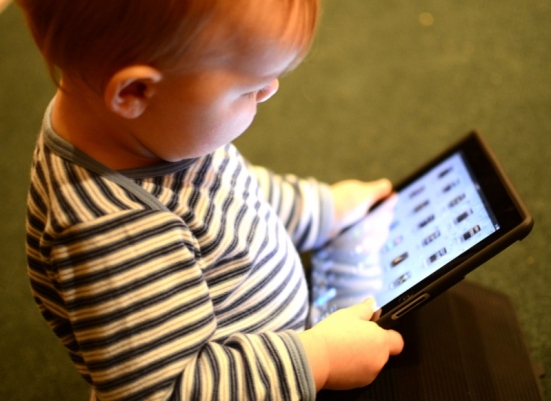
The Effects of Children Spending Long Periods in Front of Screens on Eye Health

The Relationship Between Screen Device Usage and Dry Eye
Spending long periods looking at electronic device screens increases Meibomian gland atrophy.
With the COVID-19 pandemic, screen usage times have increased worldwide. Looking at the screen for long periods causes an increase in dry eye complaints in many people. In particular, the time children spend in front of electronic device screens has increased significantly. This has raised curiosity about what the short- and long-term effects might be. Parents frequently express their concerns to ophthalmologists about their children's screen time and ask the following questions: Does long screen time lead to dry eye in children? Is it possible to detect such a risk in advance?
Research and Findings in America
A study conducted in America determined that long screen usage times cause an increase in dry eye complaints not only in adults but also in children. In cases where long-term screen use in children leads to a decrease in the function of the meibomian glands, it was understood that dry eye complaints will continue in later years. Blurred vision, pain, and discomfort in the eyes seen in children in this situation negatively affect education and learning. In this study, researchers observed undesirable vascularization in the cornea, the transparent layer of the eye, in some cases with severe meibomian gland dysfunction.
Importance and Benefits of Meibography Test
This study clearly showed that the loss of function that may occur in the meibomian glands can negatively affect children's eye health in the short and long term. This research and its results clearly reveal that meibography examination should be included in clinical practice. For this reason, these research results should be taken into account when parents consult ophthalmologists about their children's screen time and limitations.
Conclusion and Recommendations
In new research to be carried out in this field, it is beneficial to take more factors into account. The relationship between screen usage times and dryness in the eyes is an issue that needs to be understood. The meibography test can provide important results for the protection of eye health regarding screen usage time and restrictions. On the other hand, the presence of auto-immune biomarkers is another factor that triggers dry eye. Evaluating all these findings together is important in assessing the risk of dry eye that children may experience in the future. Meibography examination to be performed on children can be used as a routine clinical test in the future to evaluate screen usage times and the risk of dryness in the eyes.
Medical Information & Disclaimer
The content on this page is for informational purposes only. The information contained herein should not be used as a substitute for professional medical advice, diagnosis, or treatment by an ophthalmologist. Always seek the advice of a physician or other qualified health provider with any questions you may have regarding a medical condition.