
 Türkçe (TR)

Cataracts and Other Potentially Dangerous Eye Problems

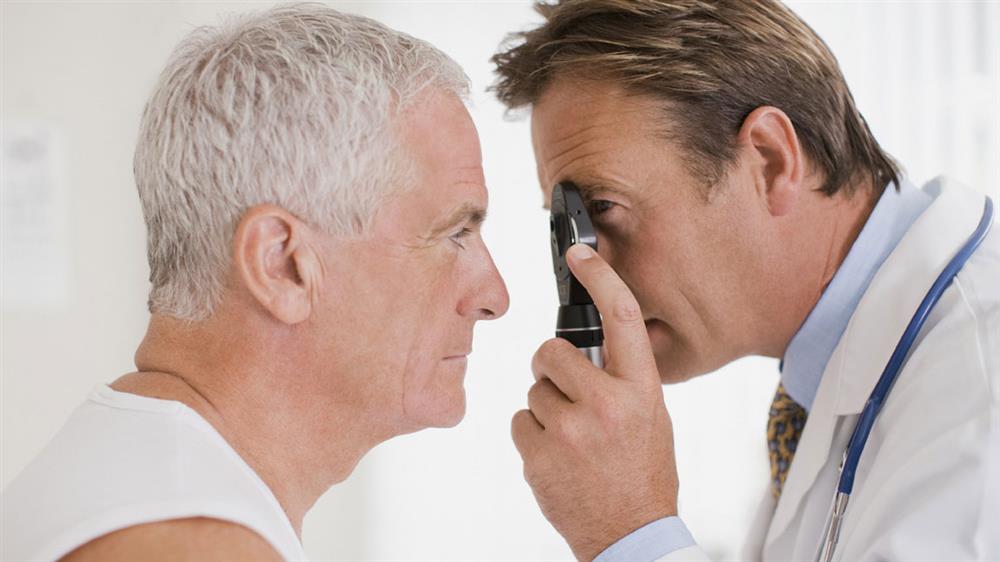
We often postpone going to the eye doctor and getting an examination until we need new glasses or notice a change in our vision. However, detailed eye examinations can help diagnose eye diseases with the potential to become serious early, thereby preventing or slowing down the loss of vision quality.
What is a Cataract and How is it Treated?
Just like a camera, the eye has a lens that focuses the incoming light. This lens is normally transparent, but it can become cloudy over time. This condition is called a cataract. Cataracts obstruct or worsen vision, especially making it difficult to read or drive at night. As cataracts progress, you may not be able to make out faces in the distance or see traffic signs.
What is Age-Related Macular Degeneration and How is it Treated?
The development of cataracts is age-related. Everyone who lives long enough will eventually develop cataracts. They are particularly common in people in their 70s. Cataracts are treated with surgery, and in this procedure, the eye's problematic natural lens is replaced with an artificial lens. It is one of the most frequently performed and most successful surgeries in the world. General anesthesia is not used during the surgery; the patient is awake during the 15-20 minute operation. The recovery process is fast, and the patient does not need to spend the night in the hospital. Certain medical problems, such as trauma, inflammation in the eye, or diabetes, can cause cataracts to develop more quickly.
What is Macular Degeneration and How is it Treated?
Another problem that can be detected with regular eye exams is age-related macular degeneration. The macula is a small, central part of the retina that is important for sharp vision. Age-related macular degeneration is a leading cause of irreversible vision loss in people aged 60 and over. There are two types of this problem: dry and wet. In the dry type, the problem is caused by aging and thinning of the macula. In the wet type, the growth of abnormal blood vessels under the retina, leaking blood and fluid, can cause serious vision loss. In addition to age, risk factors for macular degeneration include a family history of the disease, smoking, and high blood pressure. Although there is no treatment for the dry type yet, the wet type can be treated with medication or laser surgery.
Macular holes are small defects that form in the macula region. Loss, blurring, or distortion may occur in the center of vision, and it may become difficult to read books or drive. They are more common in people over 60 and in women. Although some macular holes close on their own, surgery may be necessary for treatment. Risk factors for the problem include age, history of retinal detachment, diabetes, eye inflammation, and blockage of veins carrying blood out of the retina.
Medical Information & Disclaimer
The content on this page is for informational purposes only. The information contained herein should not be used as a substitute for professional medical advice, diagnosis, or treatment by an ophthalmologist. Always seek the advice of a physician or other qualified health provider with any questions you may have regarding a medical condition.